- Home
- Community Blog
- Women’s Wrestling Singlet Fit & Sizing Guide
Women’s Wrestling Singlet Fit & Sizing Guide
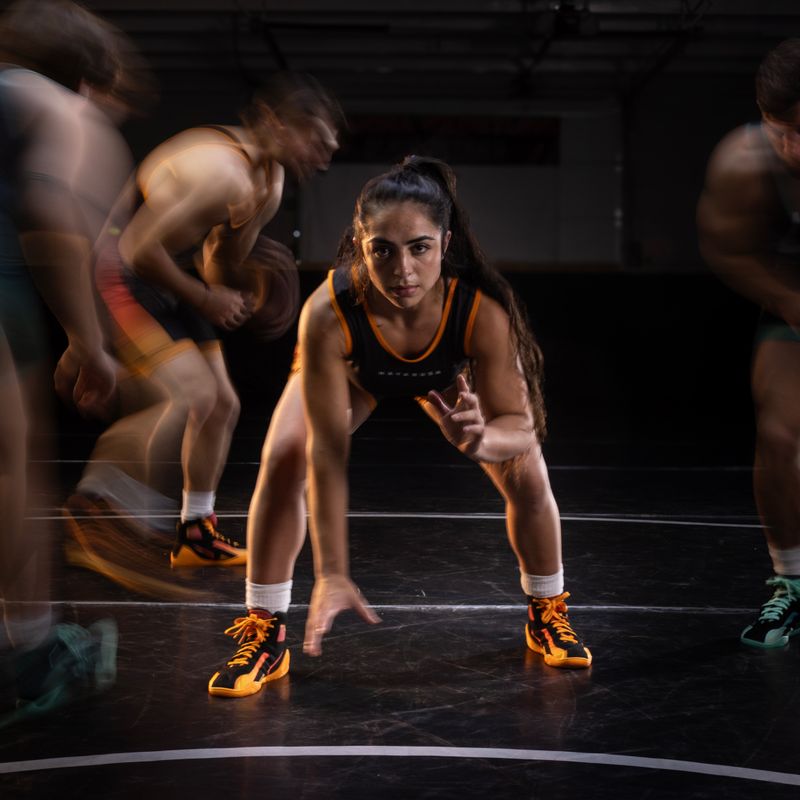
The right women’s wrestling singlet should fit close to the body without restricting movement. Whether you’re preparing for your first practice, competing regularly, or buying wrestling gear for a young athlete, fit can make a significant difference in comfort and confidence on the mat.
A wrestling singlet needs to stay secure through shots, sprawls, scrambles, and explosive movements without excessive fabric shifting or bunching.
Hayabusa’s Wrestling Collection includes wrestling apparel and gear designed for athletes who need freedom of movement throughout training and competition.
How Should a Women’s Wrestling Singlet Fit?
A wrestling singlet should have a close, compression-style fit.
It shouldn’t hang loosely from the body, but tighter doesn’t automatically mean better. An undersized singlet can create unnecessary pressure through the shoulders, torso, hips, or legs.
A properly fitted singlet should allow you to move comfortably through your full wrestling range of motion.
Before deciding on the fit, test several wrestling-specific movements:
- Wrestling stance
- Penetration step
- Sprawl
- Deep squat
- Hip rotation
- Overhead reach
The singlet should remain secure without significantly restricting any of these movements.
Why Women-Specific Fit Matters
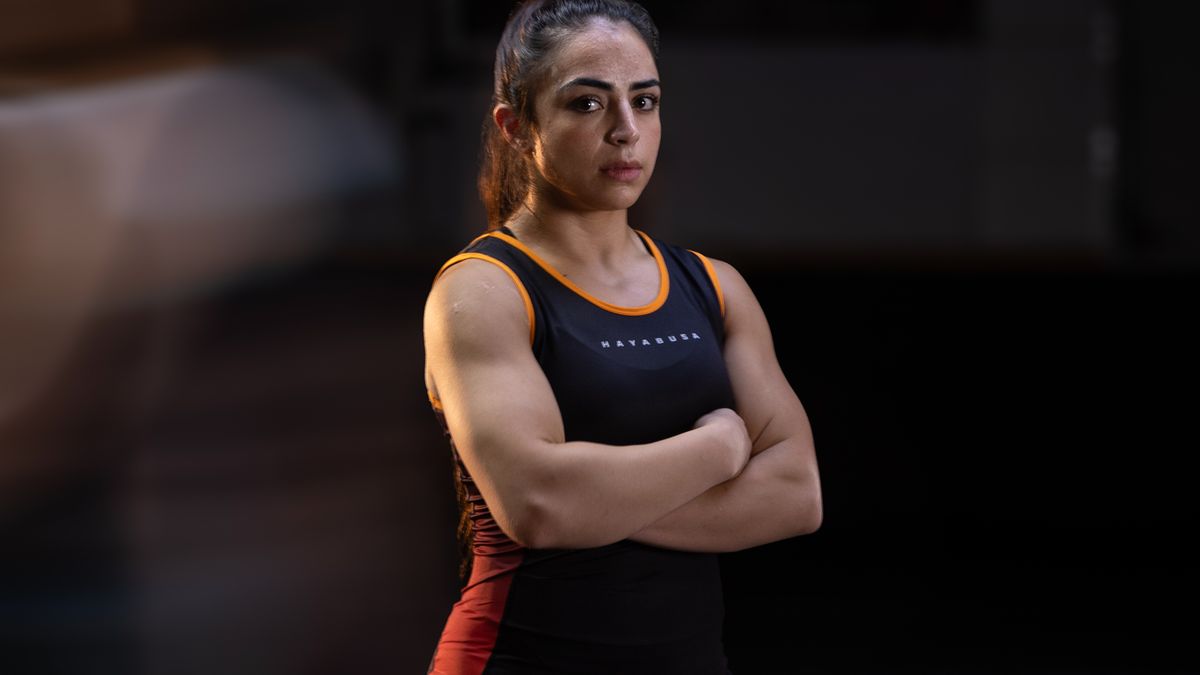
Every athlete has different proportions, which is why simply choosing a singlet based on height or age may not produce the best fit.
For women wrestlers, factors such as torso length, shoulder fit, chest coverage, waist shape, hip proportions, and leg openings can affect how a singlet feels.
A women-specific wrestling singlet can provide another fit option for athletes who find that standard or unisex cuts don’t match their proportions comfortably.
When shopping for new gear, compare the available options in Hayabusa’s Wrestling Collection and use the size information provided for the specific product.
How to Choose Your Wrestling Singlet Size
Always start with your current measurements and the size chart for the exact singlet you’re considering.
Don’t rely entirely on your normal clothing size. Wrestling apparel is designed to fit differently from everyday clothing.
If you fall between two sizes, consider how the singlet fits through the torso and shoulders as well as your preferred level of compression.
For younger wrestlers, avoid choosing a singlet that is significantly oversized simply so the athlete can “grow into it.” Excess fabric can affect how securely the singlet fits during training and competition.
How Tight Should a Wrestling Singlet Be?
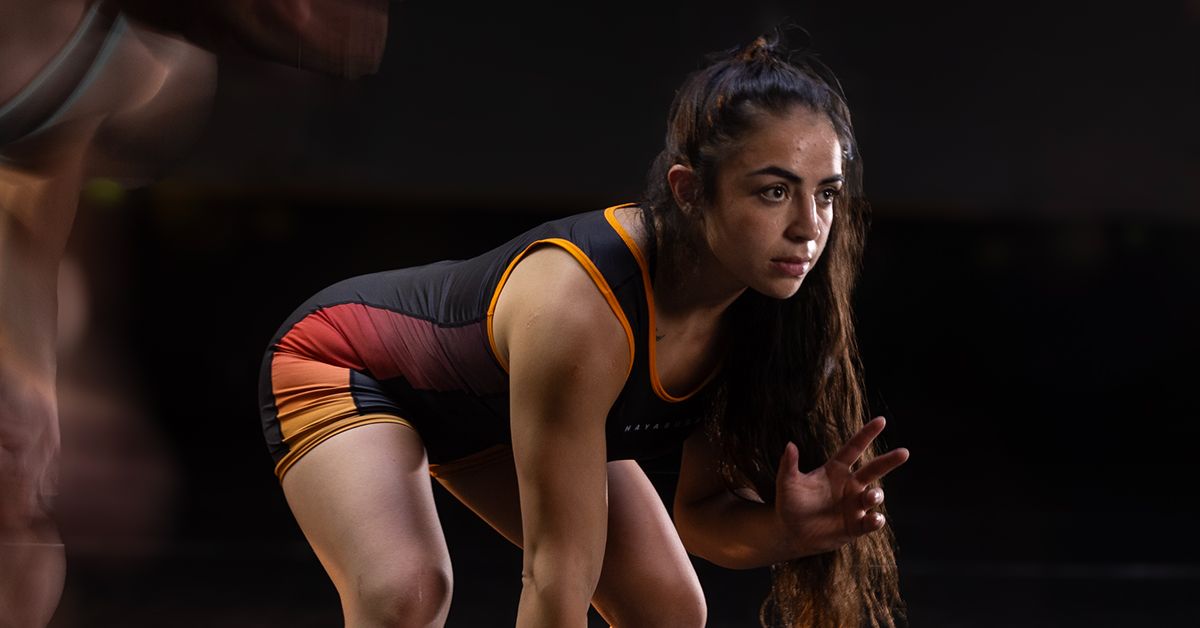
A wrestling singlet should feel snug and secure without becoming uncomfortable.
You should still be able to breathe normally, move your shoulders freely, change levels, shoot, sprawl, and rotate through the hips.
If the straps pull excessively into the shoulders, the torso feels painfully compressed, or the athlete’s movement becomes restricted, the singlet may be too small.
If fabric gathers significantly around the torso, waist, or legs, the singlet may be too large.
The goal is secure compression with unrestricted wrestling movement.
Check the Shoulder and Torso Fit
Torso length is particularly important when choosing a singlet.
If the singlet is too short through the body, the shoulder straps may pull downward and become uncomfortable during movement.
If it’s too long, excess material may gather around the waist or torso.
Raise your arms overhead, rotate your shoulders, and move into a wrestling stance. The straps should stay comfortably positioned while the singlet remains close to the body.
Check the Leg Openings
The leg openings should stay securely in position without painfully digging into the athlete’s legs.
During wrestling, repeatedly test movements such as squatting, sprawling, shooting, and hip rotation.
A good fit should allow the legs to move freely while keeping the singlet securely positioned.
For athletes building a complete training setup, Hayabusa’s Wrestling Collection can also be used to find complementary wrestling apparel and equipment.
Practice vs. Competition Singlets
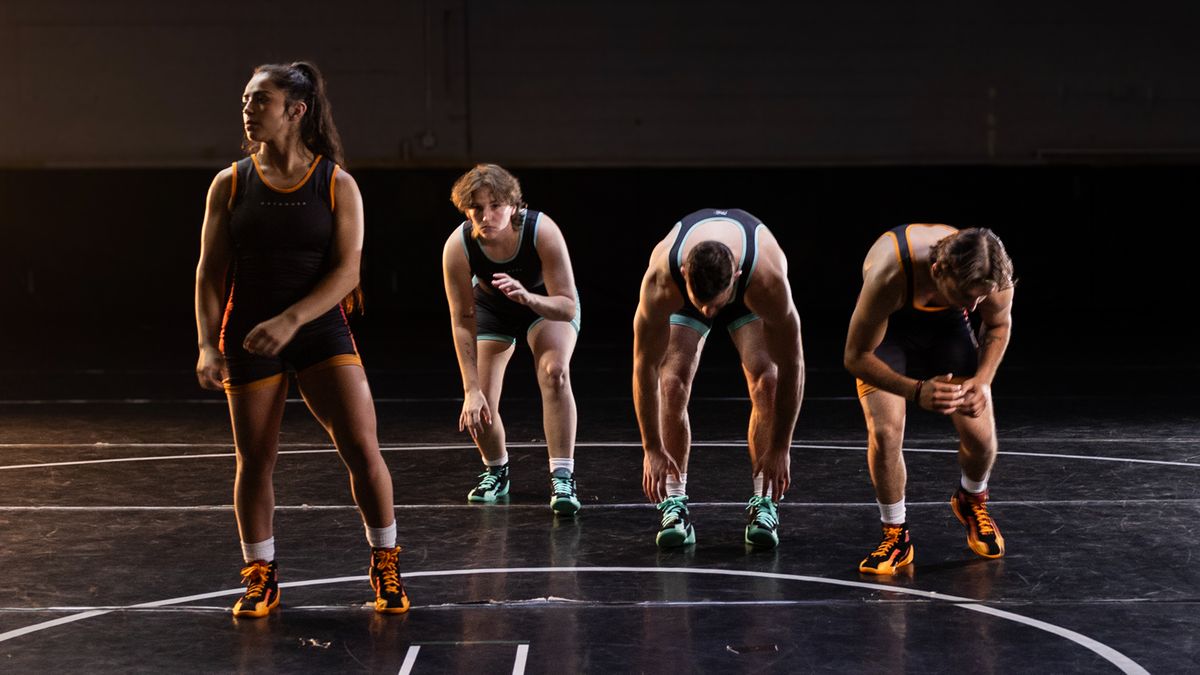
Some wrestlers use the same singlets for both training and competition, while others keep separate competition gear.
For practice, comfort, mobility, and durability are major priorities.
Competition introduces another consideration: uniform regulations.
Before competing, check the current rules of your school, league, federation, or tournament. Requirements can differ depending on the organization and level of competition.
A singlet that fits comfortably for practice isn’t automatically approved for every competition.
What Should You Wear Under a Wrestling Singlet?
What can be worn underneath a singlet depends on the athlete, training environment, and competition rules.
For practice, follow your coach’s recommendations and choose appropriate athletic garments that don’t interfere with movement.
For competition, always verify the current uniform requirements of the organization running the event.
This is especially important for younger athletes and parents purchasing their first set of wrestling equipment.
Caring for Your Wrestling Singlet
Wrestling apparel should be washed promptly after training or competition.
Always follow the care instructions on the garment. Excessive heat or incorrect washing can affect technical fabrics, elasticity, and overall fit.
Allow the singlet to dry properly before putting it back into your wrestling bag.
Rotating between multiple singlets can also be useful for athletes training several times per week.
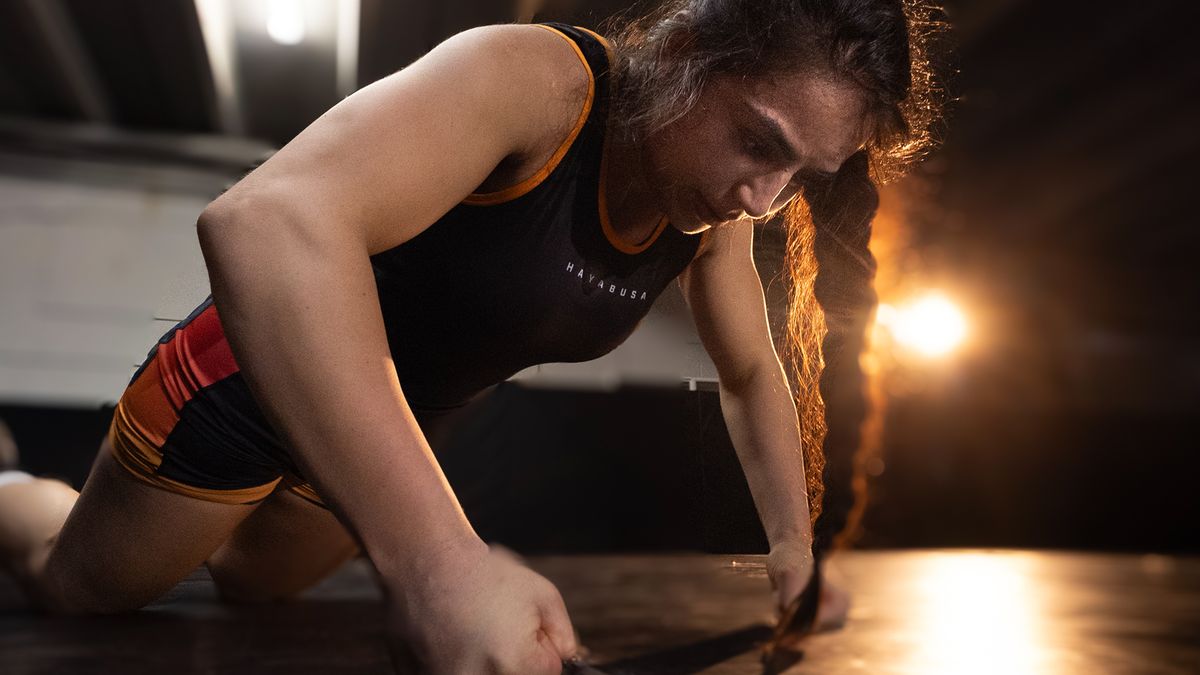
What Else Do You Need for Wrestling Training?
A singlet is only one part of a wrestler’s training setup.
Depending on the athlete and program, training apparel and equipment may include wrestling shorts, compression gear, training tops, protective equipment, and other wrestling-specific gear.
The Hayabusa Wrestling Collection brings these options together for athletes building or upgrading their training setup.
Frequently Asked Questions
How should a women’s wrestling singlet fit?
A women’s wrestling singlet should fit close to the body without restricting breathing or movement. It should remain secure through wrestling positions such as shots, sprawls, squats, and scrambles.
Should a wrestling singlet be very tight?
A singlet should be snug and compression-like, but it shouldn’t be painfully tight. If it restricts movement or creates excessive pressure through the shoulders, torso, or legs, reconsider the size.
What if I’m between wrestling singlet sizes?
Use the product-specific size chart and compare your measurements carefully. Torso length, shoulder fit, and preferred compression can help determine which size is more appropriate.
Can women wear unisex wrestling singlets?
Yes. However, some athletes may prefer a women-specific cut because differences in torso, chest, waist, hip, and leg proportions can affect comfort and fit.
How do I know if my wrestling singlet is too small?
Common signs include excessive pulling through the shoulder straps, uncomfortable compression, restricted movement, or leg openings that feel painfully tight.
How do I know if my wrestling singlet is too big?
If significant fabric gathers around the torso or legs, the straps don’t stay securely positioned, or the singlet moves excessively during wrestling, it may be too large.
Find the Right Wrestling Singlet for Your Training
The right wrestling singlet should almost disappear once training begins.
It should stay close to the body, provide appropriate coverage, and allow you to move naturally through shots, sprawls, scrambles, and every other position you encounter on the mat.
Start with accurate measurements, use the product-specific sizing information, and test the fit through actual wrestling movements rather than judging it only while standing.
Whether you’re beginning the sport or upgrading your competition setup, explore the Hayabusa Wrestling Collection to find wrestling apparel and gear built for the demands of training and competition.