- Home
- Community Blog
- Boxing Gloves Material Guide: Leather vs. Engineered Leather vs. PU
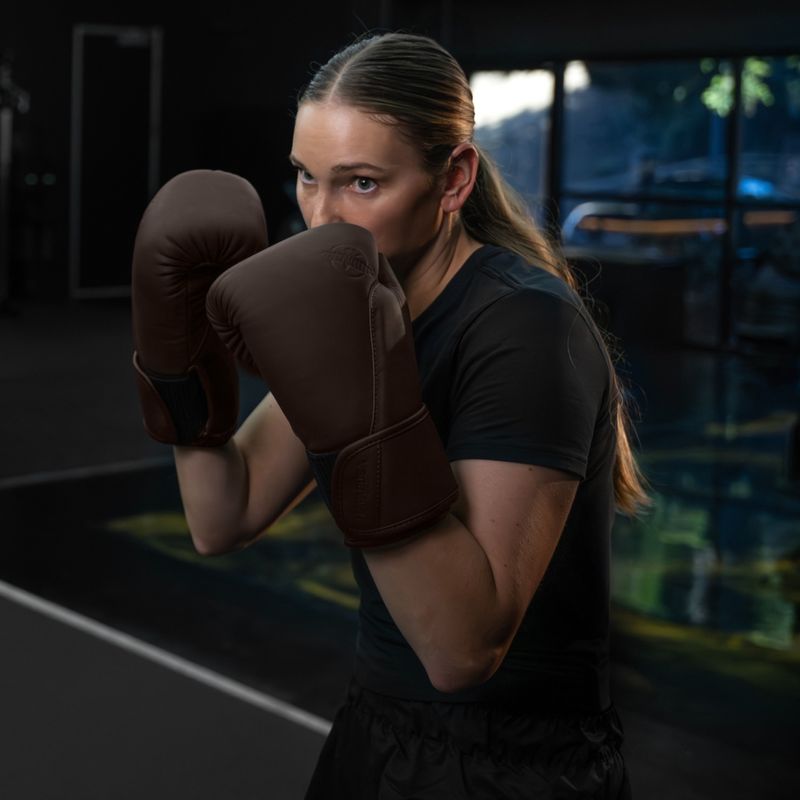
Boxing Gloves Material Guide: Leather vs. Engineered Leather vs. PU
Choosing the right boxing gloves is about more than finding the right size or color. The material of your gloves plays a major role in their durability, comfort, maintenance, and overall performance. Whether you're buying your first pair or upgrading your current gear, understanding the differences between leather boxing gloves, engineered leather, and PU can help you make a smarter purchase.
This guide compares the three most common glove materials, highlights their strengths and weaknesses, and helps you decide which option best fits your training style.
Why Does Glove Material Matter?
The outer material of a boxing glove affects several important factors, including:
- Durability
- Comfort
- Feel during training
- Ease of maintenance
- Overall lifespan
If you train regularly, choosing the right material can save you money in the long run and provide a better training experience.
Genuine Leather Boxing Gloves
Leather boxing gloves are considered the premium choice for athletes who want long-lasting performance and exceptional comfort. Natural leather is highly durable and gradually molds to your hands, creating a personalized fit over time.
Best For
- Regular boxing training
- Heavy bag workouts
- Pad work
- Sparring
- Long-term use
Pros
- Extremely durable
- Premium feel
- Softens and molds to your hands over time
- Comfortable for extended training sessions
- Long lifespan with proper care
Cons
- Higher price
- Requires occasional maintenance
If you train several times a week, genuine leather is often the best long-term investment because it offers outstanding durability and comfort.
Recommended Products
Engineered Leather Boxing Gloves
Engineered leather is a high-quality synthetic material designed to deliver many of the benefits of genuine leather while requiring less maintenance.
Modern engineered leather is durable, easy to clean, and commonly used in premium training gloves.
Best For
- Frequent training
- Fitness boxing
- Boxing classes
- Kickboxing
Pros
- Durable
- Easy to clean
- Lower maintenance than genuine leather
- More affordable
- Consistent appearance over time
Cons
- Doesn't mold to your hands quite like genuine leather
- Slightly shorter lifespan
For many athletes, engineered leather provides an excellent balance between durability, performance, and price.
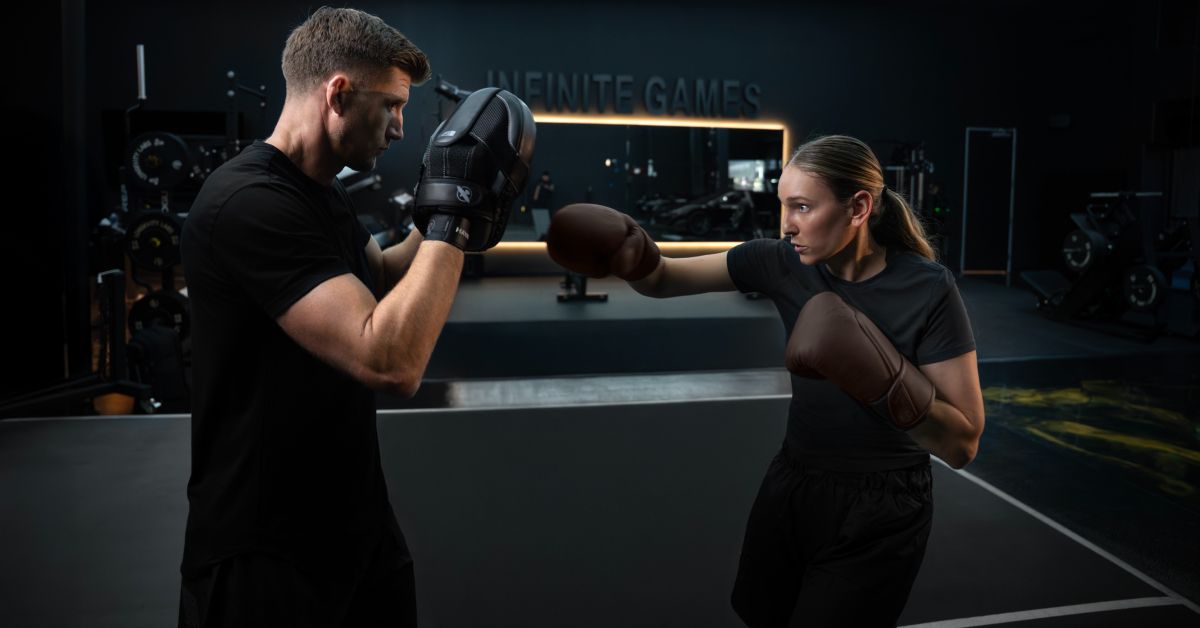
PU Boxing Gloves
PU (polyurethane) is the most affordable material used in boxing gloves. It's commonly found in entry-level gloves and is suitable for light or occasional training.
Best For
- Beginners
- Fitness classes
- Occasional workouts
- Budget-conscious buyers
Pros
- Affordable
- Lightweight
- Easy to maintain
Cons
- Less durable
- Wears out more quickly
- Not ideal for heavy, frequent use
If you're planning to train multiple times each week, investing in engineered leather or genuine leather will generally provide better long-term value.
Leather vs. Engineered Leather vs. PU
| Feature | Genuine Leather | Engineered Leather | PU |
|---|---|---|---|
| Comfort | ⭐⭐⭐⭐⭐ | ⭐⭐⭐⭐☆ | ⭐⭐☆☆☆ |
| Maintenance | ⭐⭐⭐⭐⭐ | ⭐⭐⭐⭐☆ | ⭐⭐⭐☆☆ |
| Maintenance | Moderate | Easy | Easy |
| Lifespan | Excellent | Very Good | Fair |
| Price | $$$ | $$ | $ |
| Best For | Serious athletes | Regular training | Beginners |
Which Material Is Right for You?
Choose Genuine Leather If You:
- Train three or more times per week.
- Want gloves that can last for years.
- Value premium comfort and feel.
- See boxing as a long-term commitment.
Choose Engineered Leather If You:
- Train consistently.
- Want excellent durability without the premium price.
- Prefer gloves that require minimal maintenance.
Choose PU If You:
- Are just getting started.
- Train occasionally.
- Need an affordable first pair of gloves.
How to Extend the Life of Your Boxing Gloves
No matter which material you choose, proper care can help your gloves last much longer.
After each training session:
- Wipe the exterior with a clean cloth.
- Open the gloves to let them air dry.
- Never leave sweaty gloves inside your gym bag.
- Store them in a cool, dry place.
These simple habits help reduce moisture buildup, odors, and premature wear.

Frequently Asked Questions
Are leather boxing gloves worth the extra cost?
Yes—if you train regularly. Genuine leather gloves typically last longer, feel more comfortable over time, and provide better overall durability than synthetic alternatives.
Is engineered leather real leather?
No. Engineered leather is a synthetic material designed to replicate many of the benefits of genuine leather while being easier to maintain and more affordable.
How long do leather boxing gloves last?
With proper care, high-quality leather boxing gloves can last for several years, depending on how often you train.
Which material is best for beginners?
PU gloves are a good option for occasional training, while engineered leather is ideal for beginners who expect to train consistently and want a glove that will last longer.
Find the Right Boxing Gloves for Your Training
The best glove material depends on how often you train and what you're looking for in terms of comfort, durability, and performance. If you're committed to boxing and want equipment built to last, leather boxing gloves are an excellent long-term investment. If you're looking for a balance of value and durability, engineered leather is a great choice, while PU gloves offer an affordable option for beginners and occasional training.
Explore Hayabusa's collection of boxing gloves to find the perfect pair for your training. Pair them with hand wraps for added wrist support, or browse our premium boxing gloves if you're looking for professional-level performance during heavy bag workouts, pad work, and sparring.